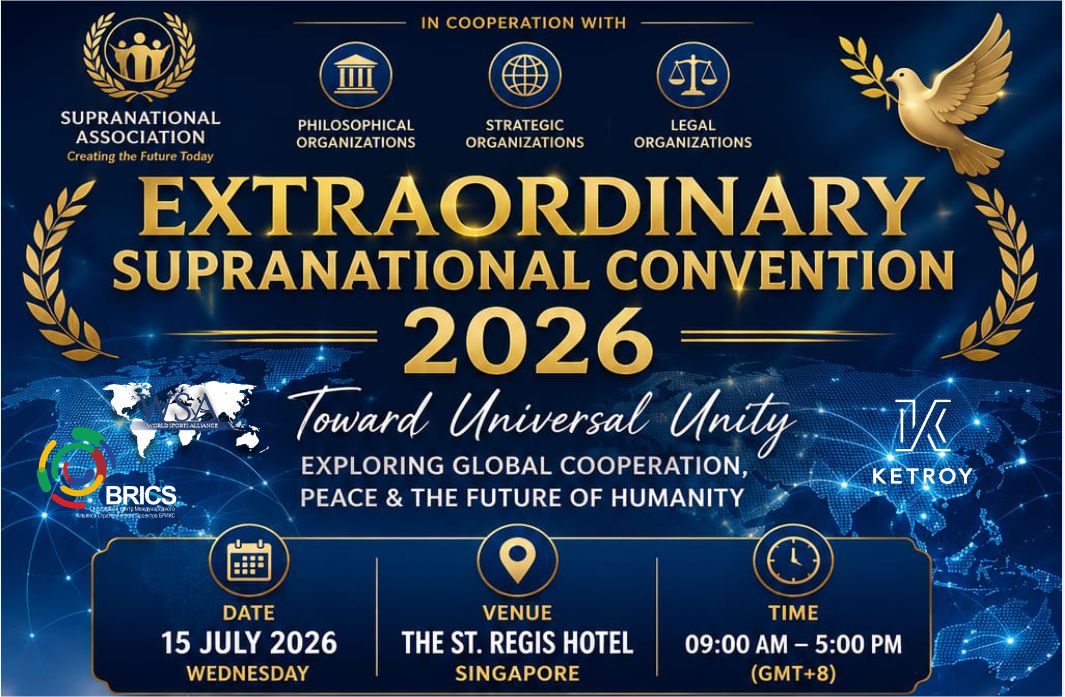
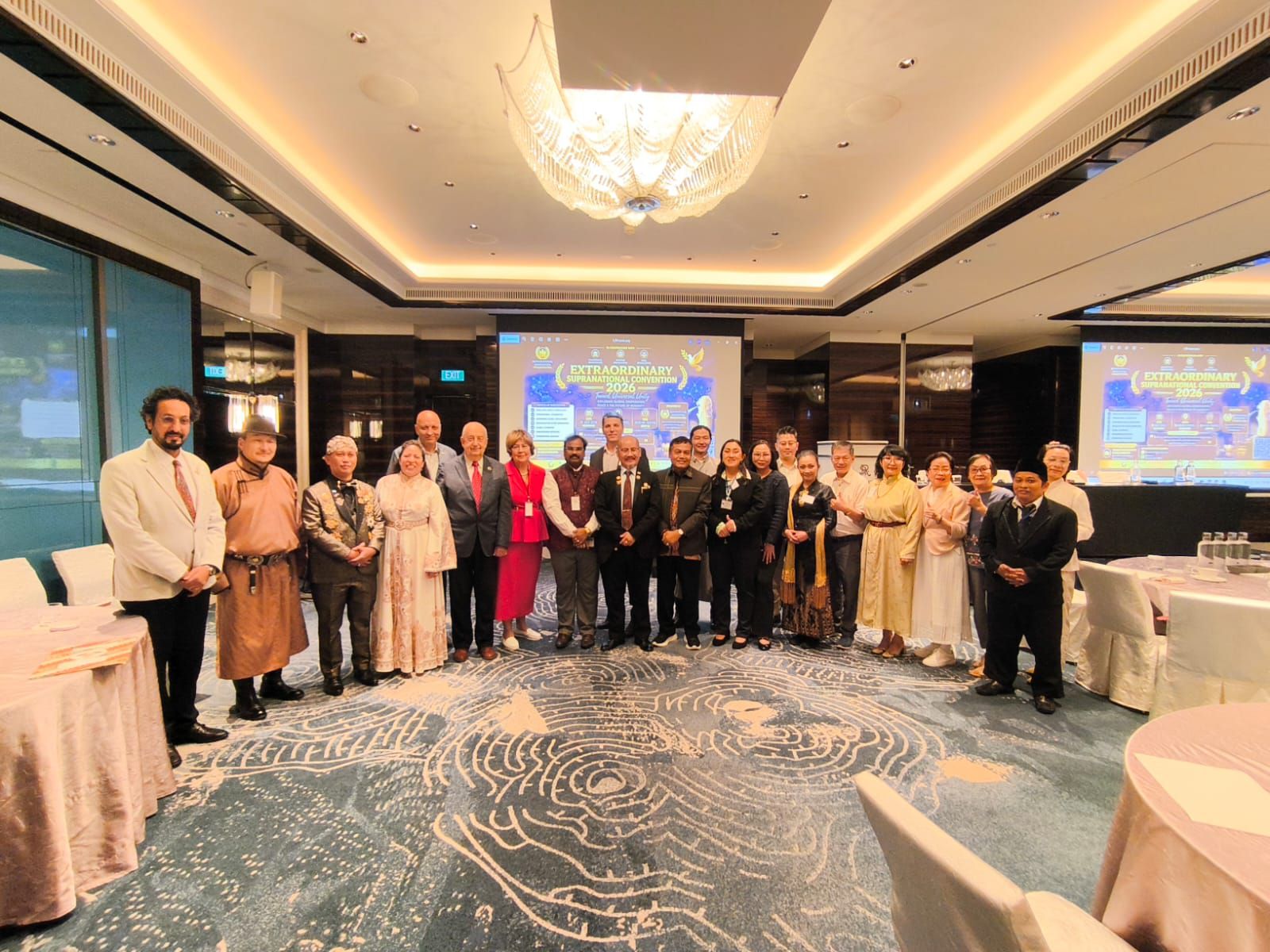
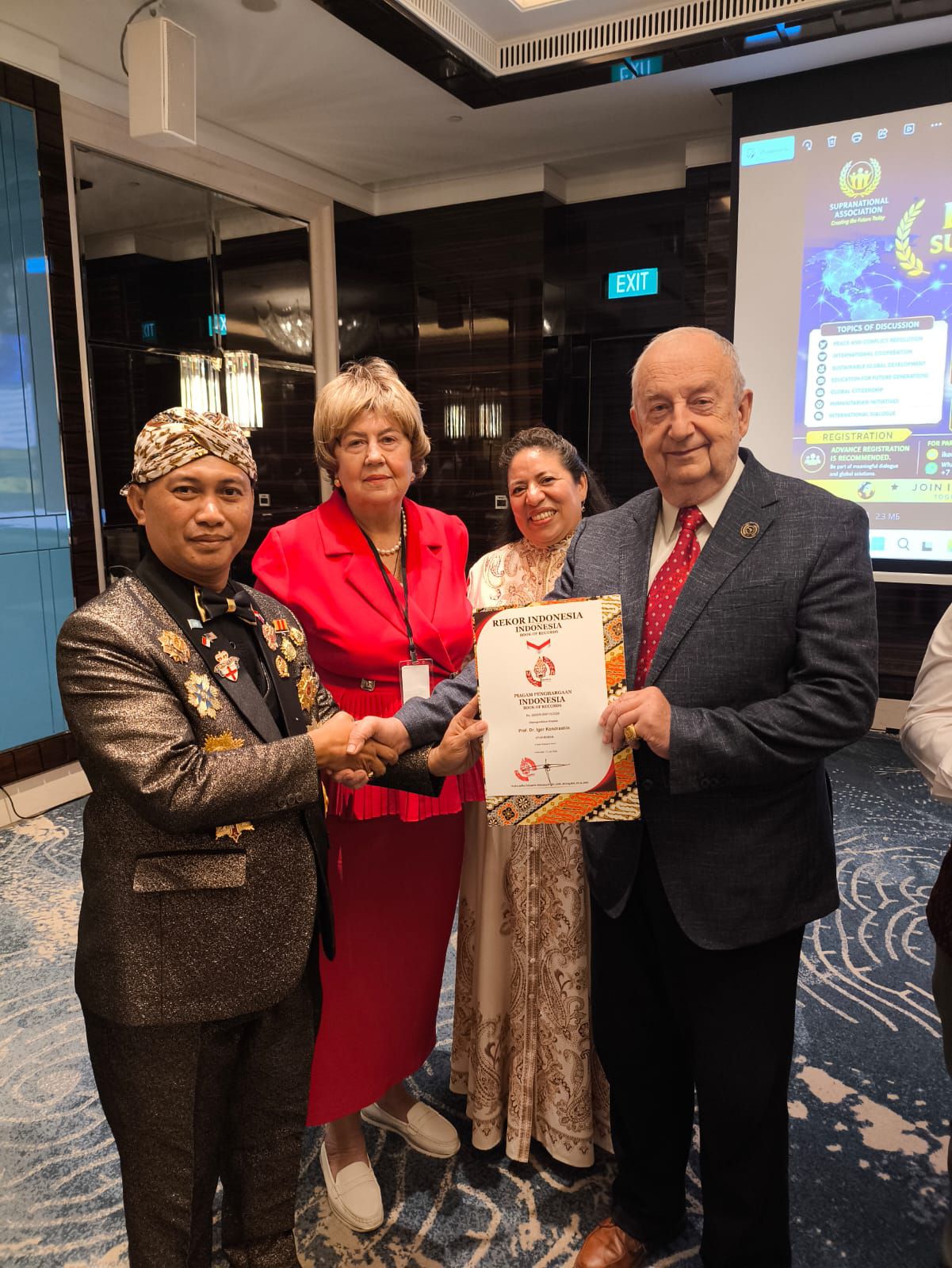
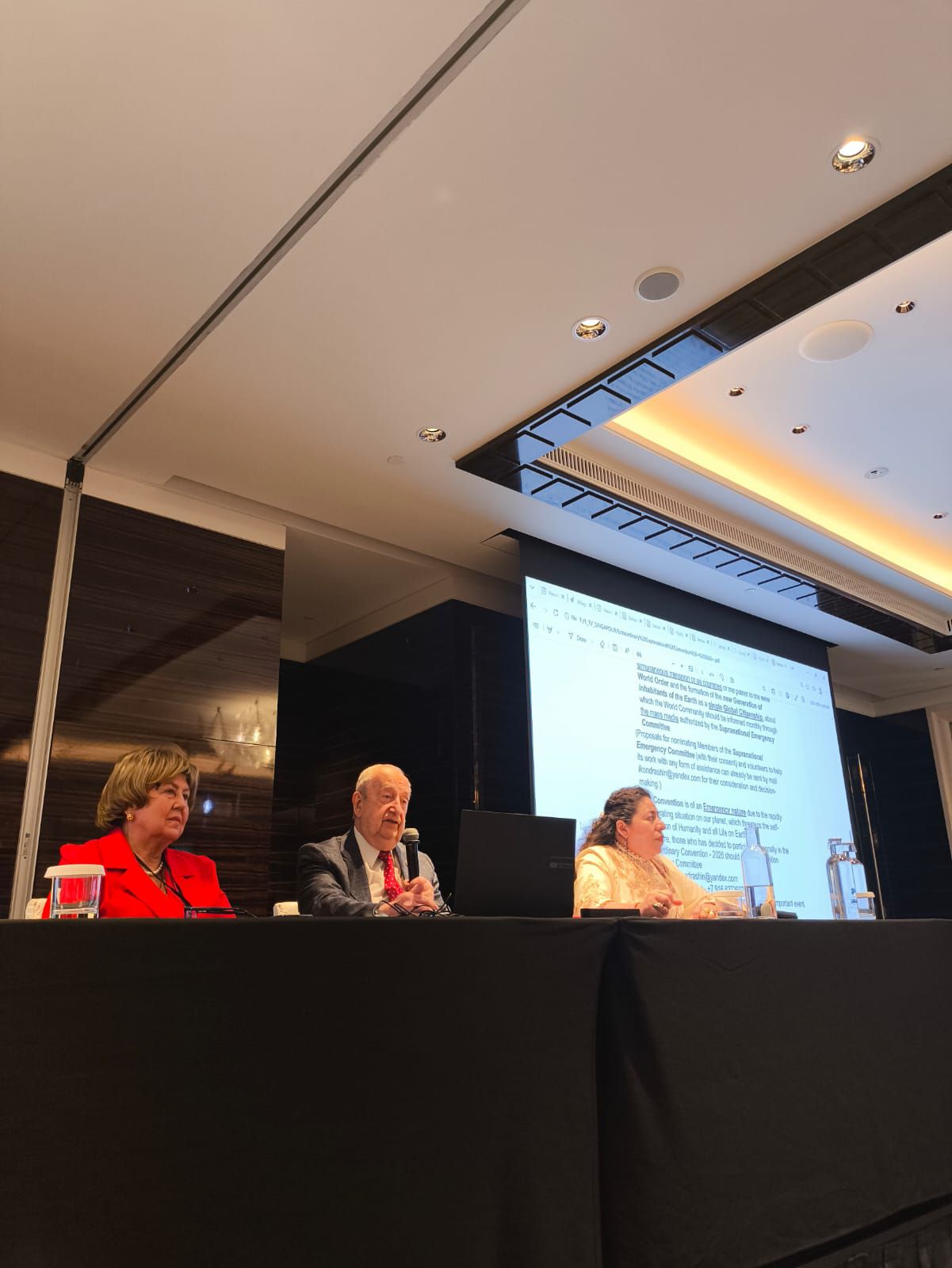
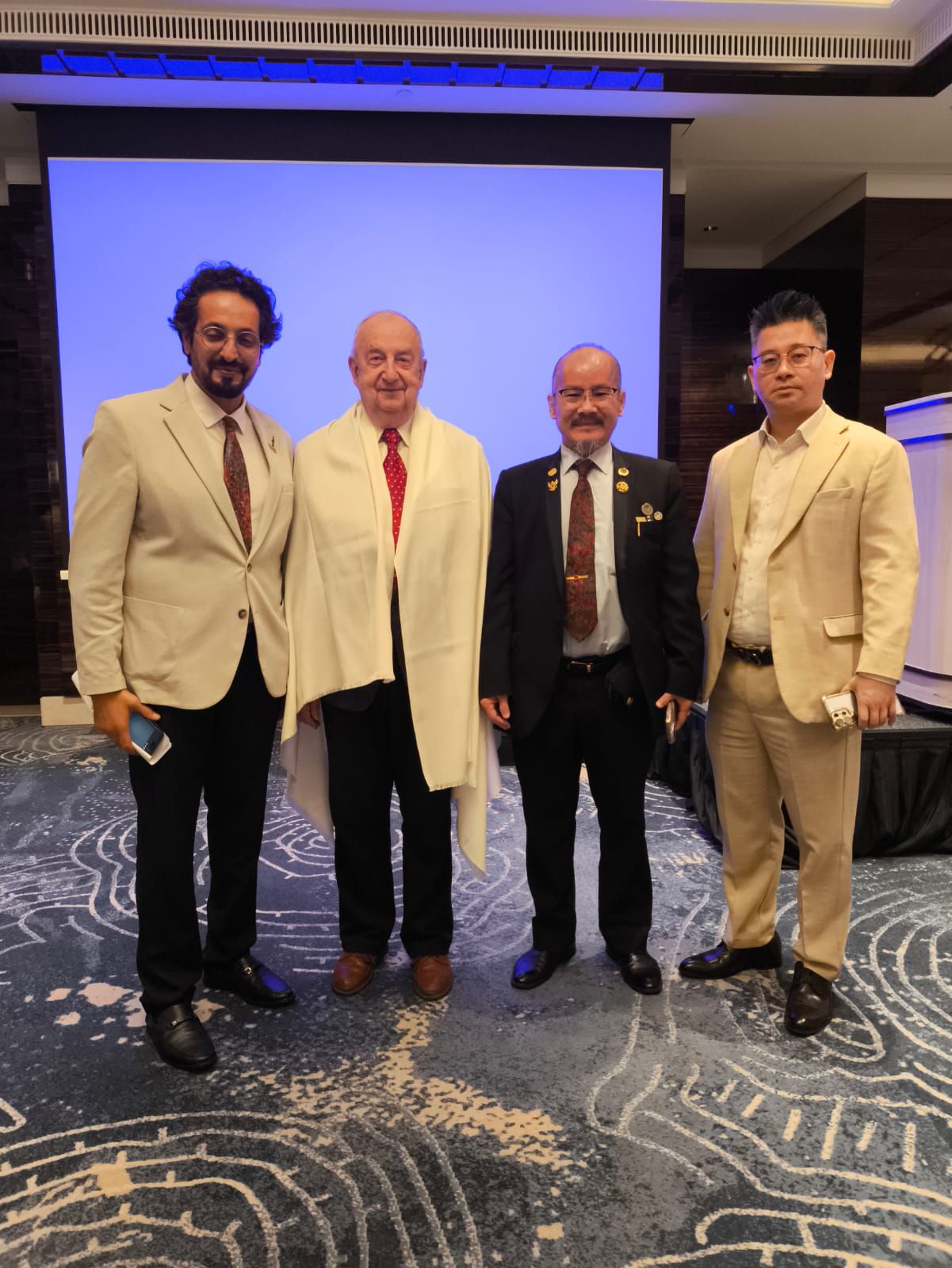
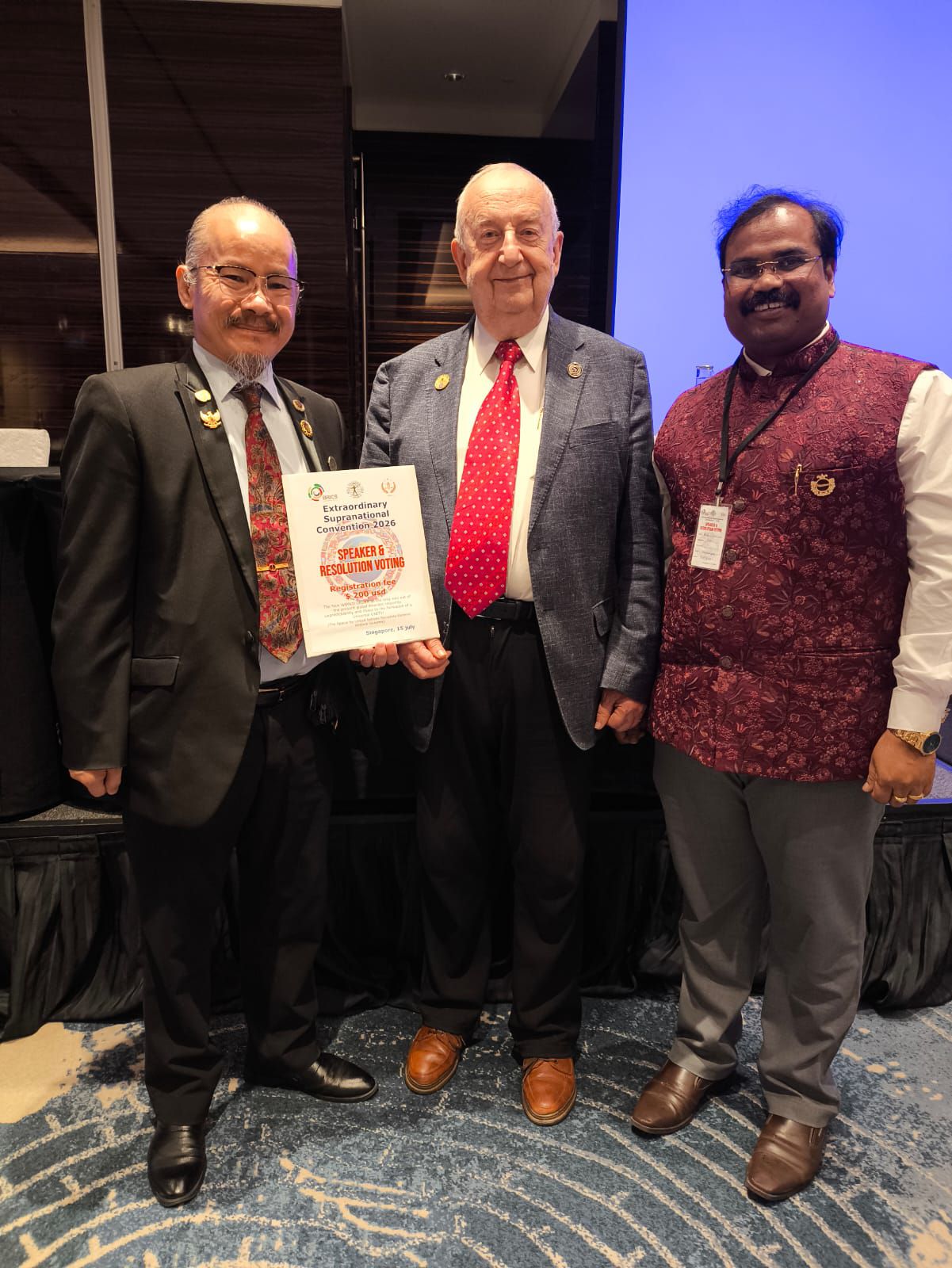
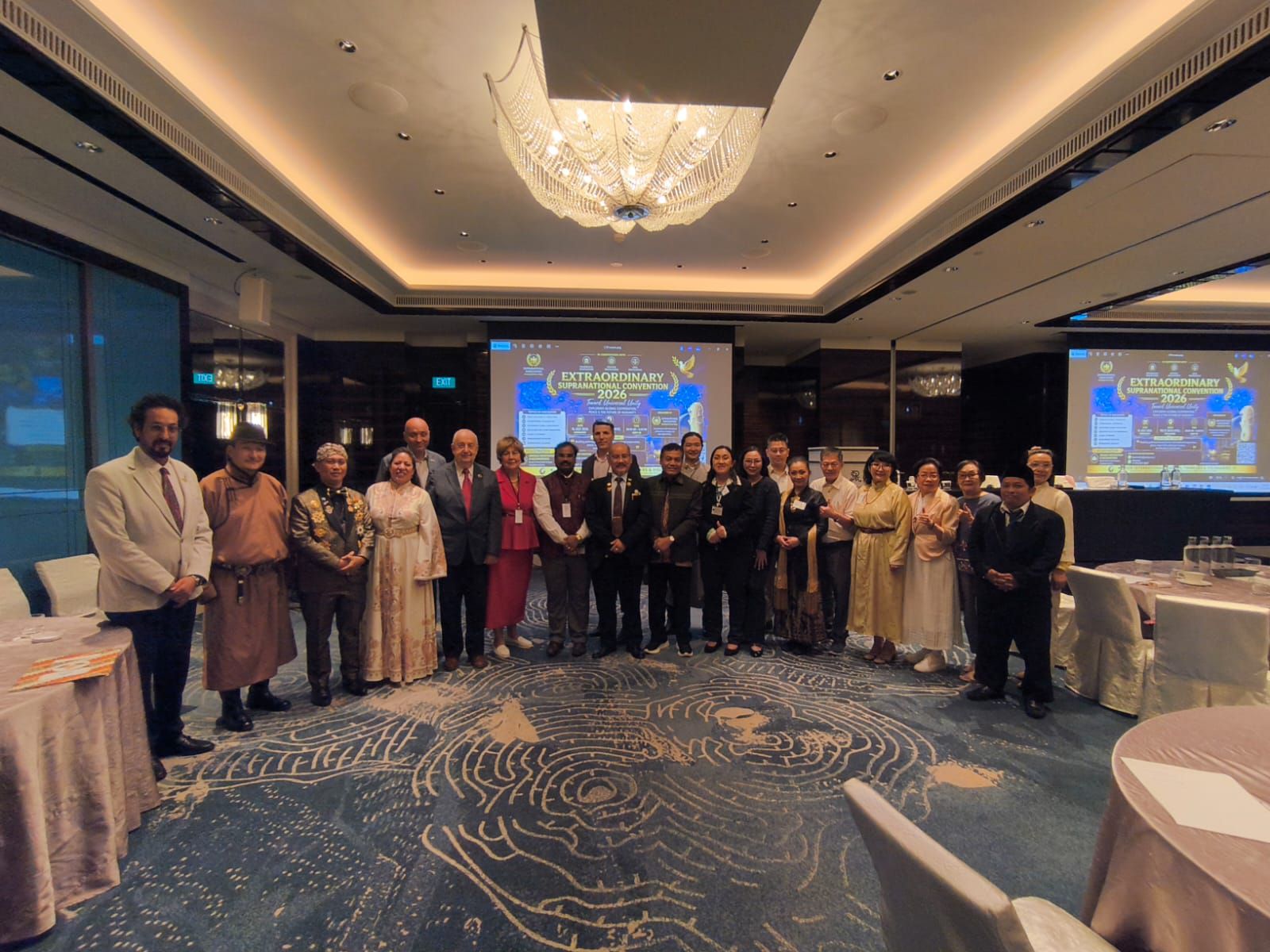
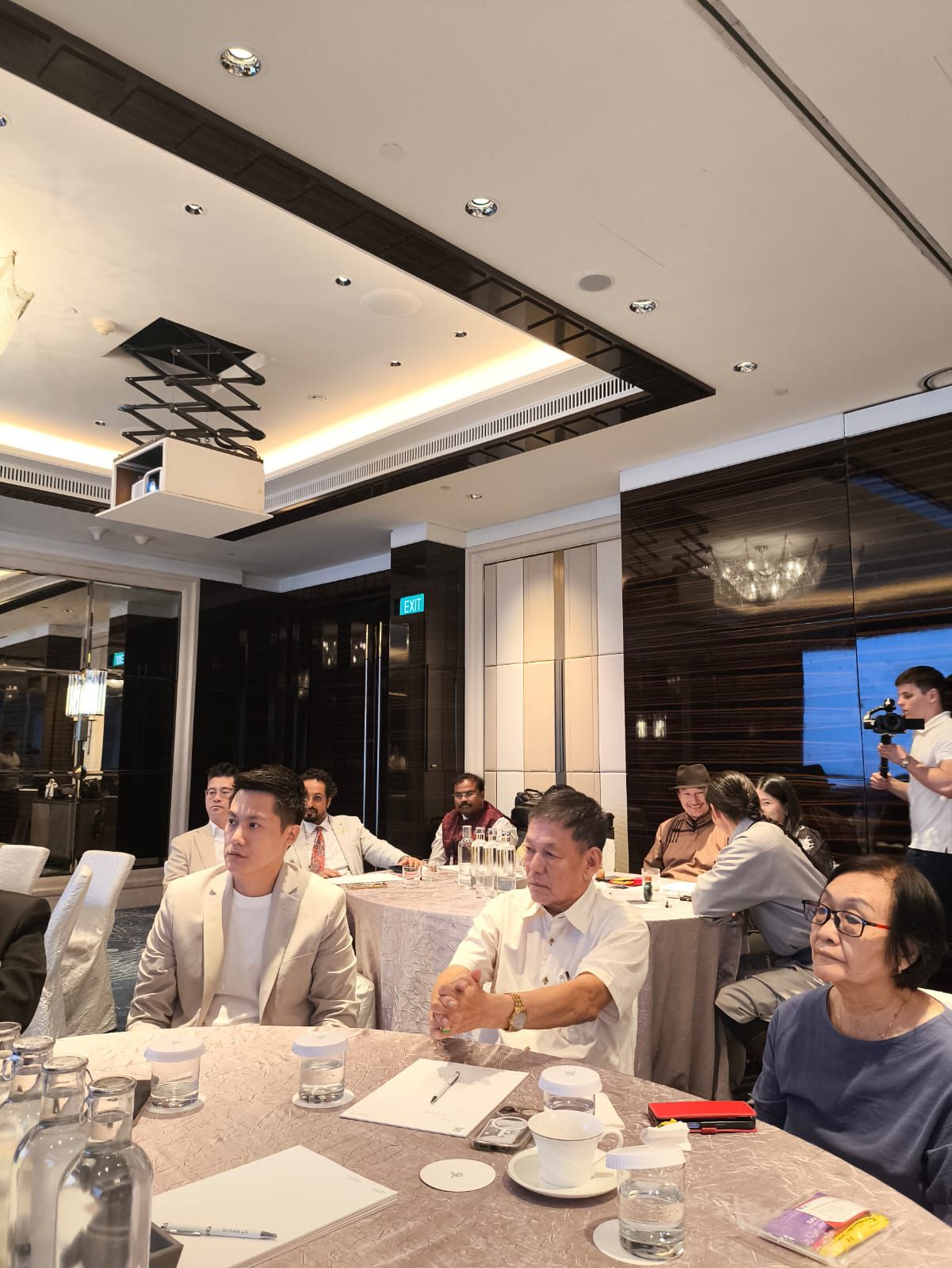
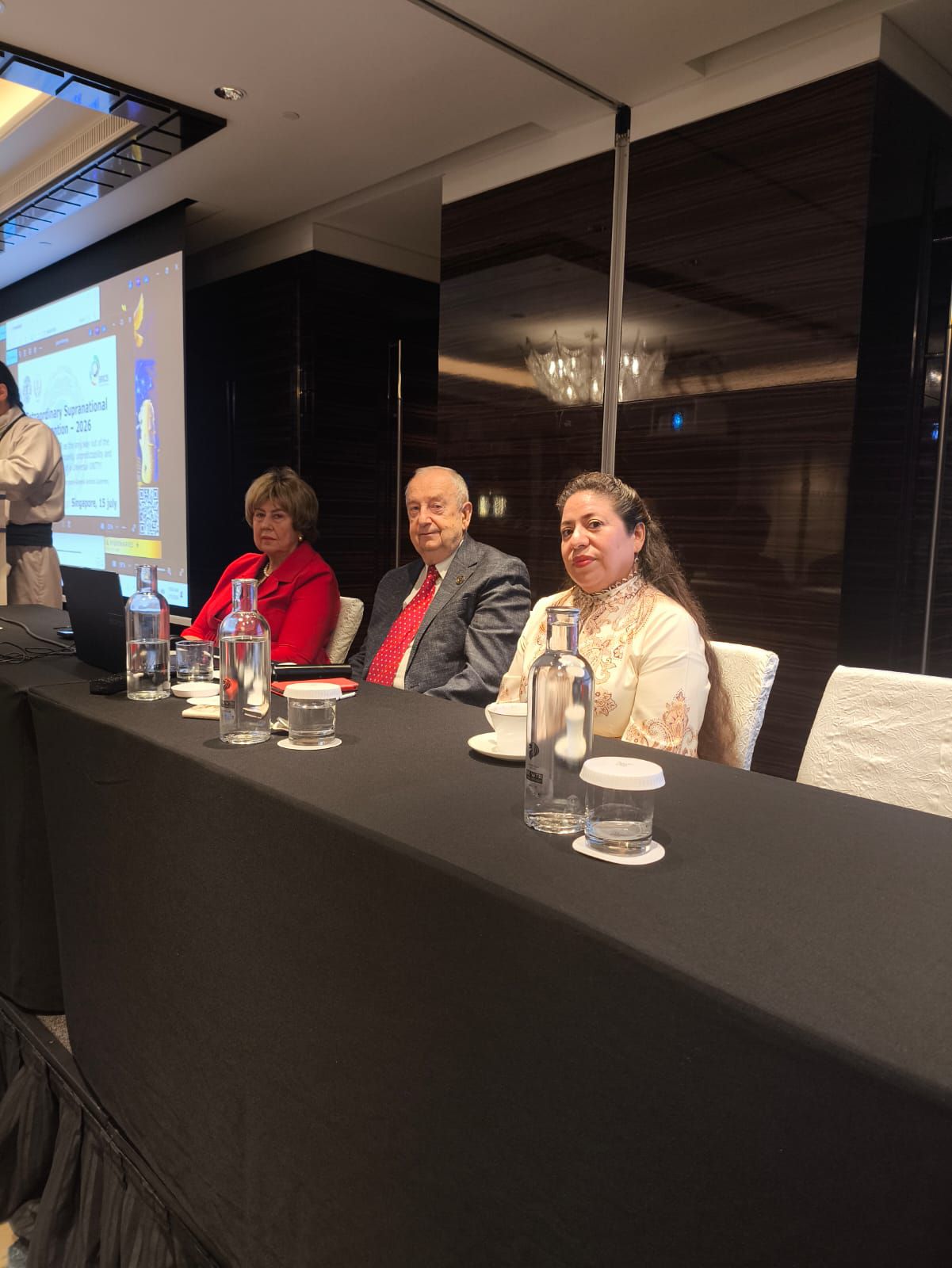
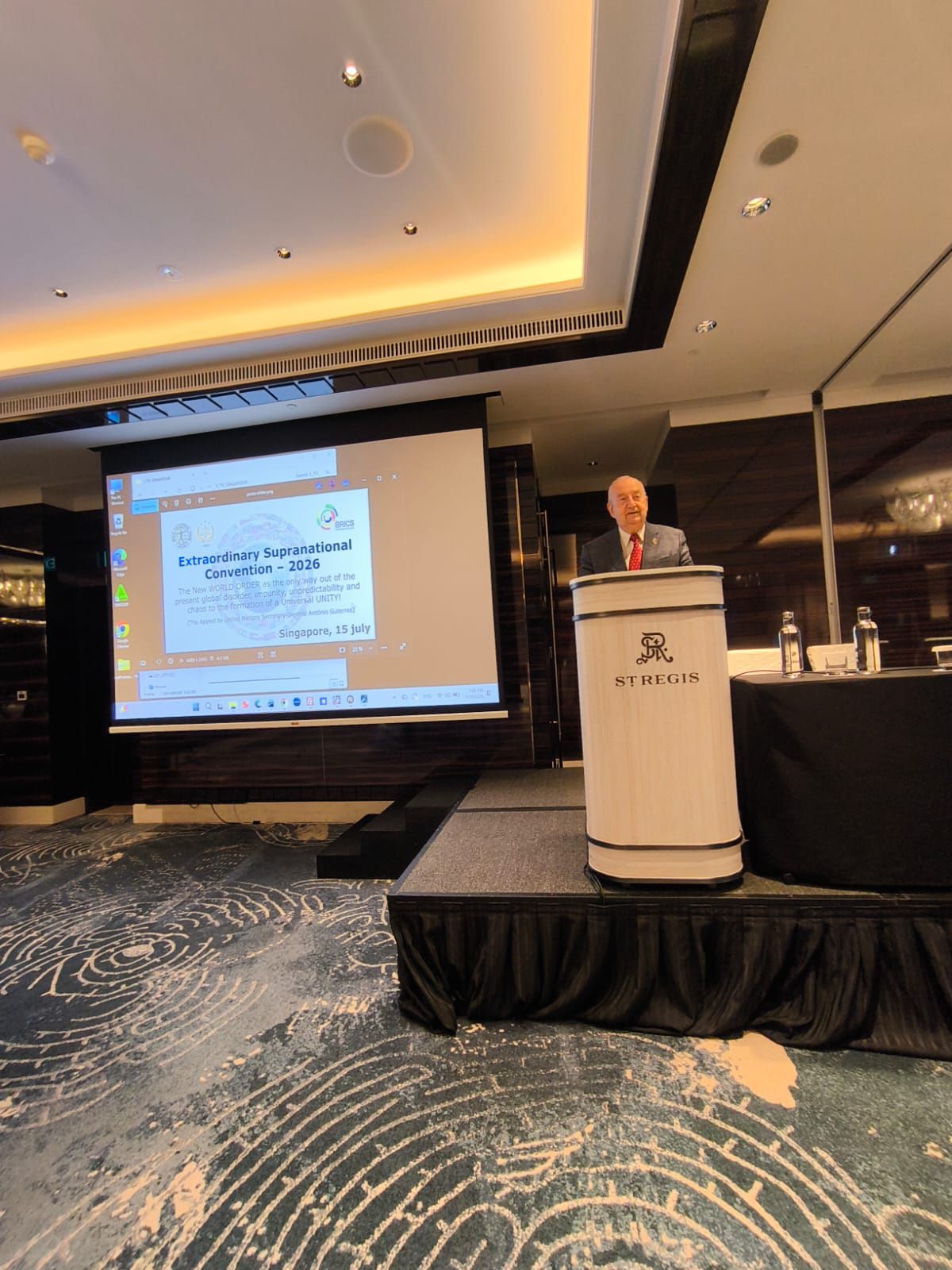
On July 15, 2026, the Extraordinary Supranational Convention was held in Singapore—a large-scale event bringing together experts, public figures, and representatives of international organizations. Its goal is to develop joint approaches to strengthening global peace and sustainable development. As emphasized in the materials of global philosophical forums, «the only way to overcome growing differences is dialogue based on shared humanistic values and responsibility to future generations.»
An important part of the Convention’s agenda was the development of global sport as a tool for uniting nations and establishing fair rules of interaction. This topic was raised with the support of KETROY, which acted as a partner in the section on humanitarian and sports diplomacy.
The key speakers on the sports agenda were:
Timur Alisherovich Mamadjanov, Chairman of BRICS SPORT, presented his vision for the development of multisport cooperation in the BRICS countries via videoconference, emphasizing accessibility and ethical standards.
Viktor Vladimirovich Lisin, President of the World Sports Alliance, emphasized the need to create a unified platform to support national sports and promote inclusive sports programs.
During the discussion, participants agreed that sport has the potential to become a universal language of mutual understanding and a bridge between cultures. In the spirit of the ideas about a global world expressed at philosophical forums, sport is viewed not only as competition but also as a space for fostering respect, discipline, and solidarity.
Following the discussion, a number of decisions were made and a course of action was defined for the development of a fair global sport for all:
- Launching an international support program for national and non-Olympic sports, including grants for tournaments and coach training;
- The creation of a digital platform for sharing best practices in sports infrastructure and inclusive programs;
- The formation of a working group to develop a code of ethics for sporting events based on the principles of fair play, transparency, and equal opportunity;
- The holding of the annual «Sport and Peace» forum as a platform for dialogue between sports federations, businesses, and public organizations;
- The development of youth sports initiatives aimed at fostering a culture of peaceful conflict resolution through sport.
- The Convention once again confirmed that sport is not just competition, but a powerful resource for building a harmonious and just society.
- The future lies in the practical implementation of the adopted decisions, which should make sport truly accessible and unifying for people around the world.
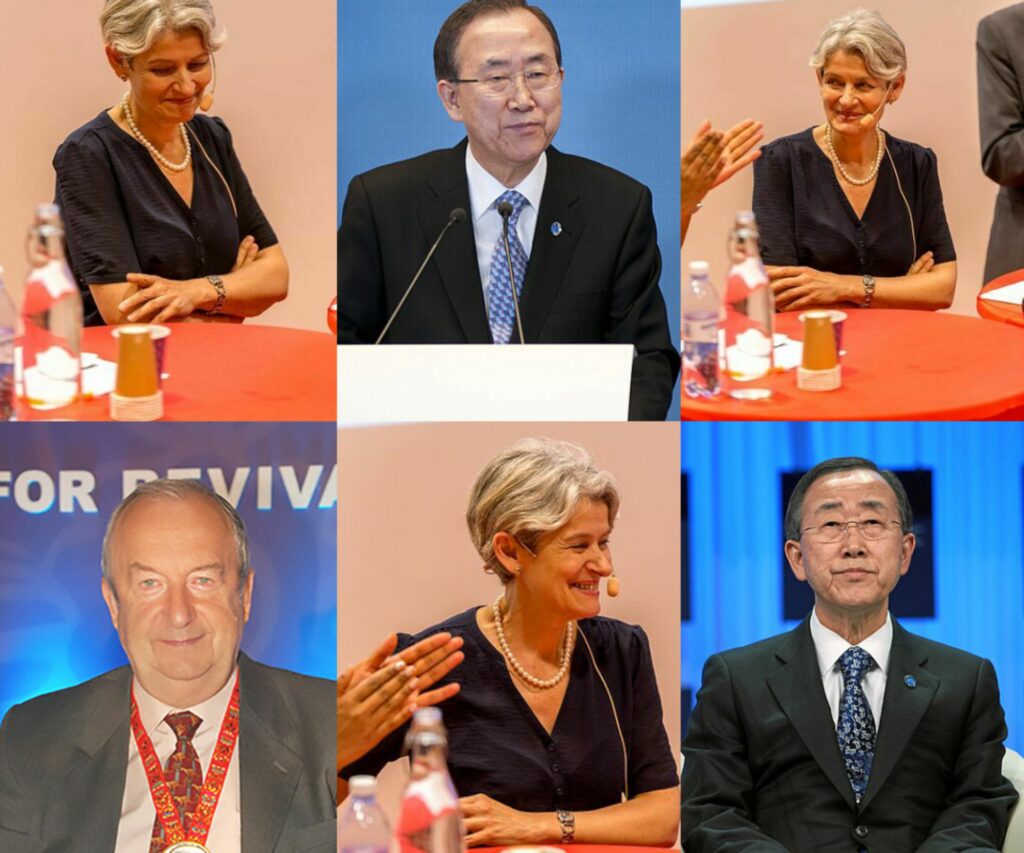
Irina Bokova, UNESCO, and Alice Bach Kuhncke, Minister of Culture and Democracy, engage in a conversation about the impact of the destruction of cultural heritage in Sweden.
Ban Ki-moon is a South Korean politician and diplomat who served as the eighth Secretary-General of the United Nations from 2007 to 2016, influencing global policy and addressing key international issues.
UNESCO Representative Irina Bokova and Alice Bach Kuhncke, Minister of Culture and Democracy of Sweden, discuss the profound impact of cultural heritage destruction, Sweden.
Igor I. Kondrashin, Founder, President, and CEO of WPF.
Irina Bokova, former Director-General of UNESCO, and Alice Bach Kuhncke, Minister of Culture and Democracy of Sweden, engage in an important dialogue about the impact of cultural heritage destruction and its far-reaching consequences for Swedish society and history.
Ban Ki-moon is a South Korean diplomat and politician who served as the eighth Secretary-General of the United Nations from 2007 to 2016, having a significant impact on global governance and international relations.